
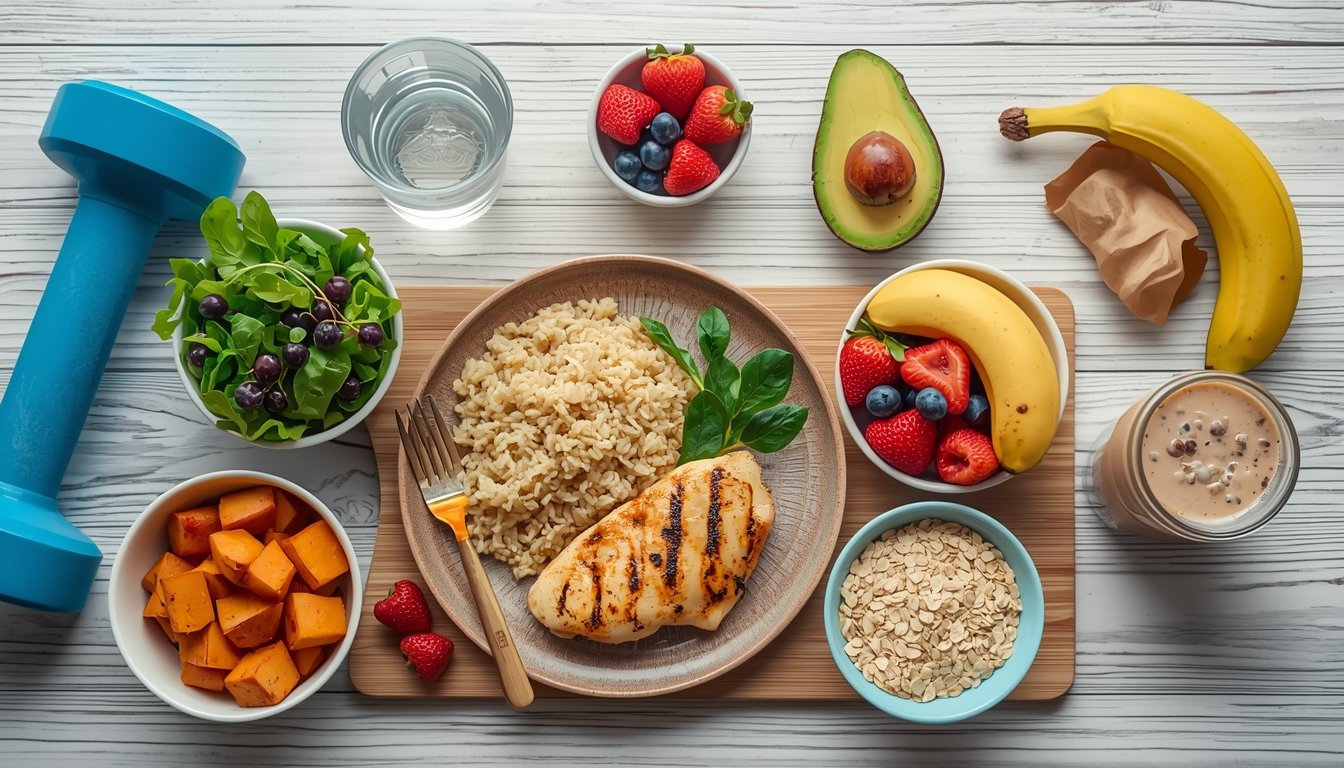
Gym Diet for Beginners: A Practical and Sustainable Nutrition Guide
Introduction
Starting the gym is a major step toward better health, confidence, and long-term physical strength. However, many beginners focus only on workouts and neglect nutrition, which can slow progress and cause frustration. A structured gym diet fuels workouts, supports recovery, and ensures steady results. Because nutrition plays such a key role, beginners should understand how to eat effectively alongside their training.
Why Diet Matters When You Start the Gym
Muscle Recovery and Energy
Training stresses muscles, depletes energy stores, and affects hydration. Without proper nutrition, recovery and performance suffer. A balanced diet helps beginners build lean muscle, burn fat efficiently, maintain stable energy levels, and stay motivated. Moreover, proper nutrition reduces the risk of injury and develops long-lasting healthy eating habits.
Consistency for Progress
Consistency is key. Proper nutrition supports progress over time because your body adapts gradually to training demands. Skipping meals or eating poorly can hinder results, but a structured plan ensures steady improvement.
Best Diet Approach for Beginners
Simplicity Over Perfection
The best approach is simple, balanced, and sustainable. Extreme calorie restriction or eliminating food groups may backfire. Instead, focus on whole foods, regular meals, and consistent habits. When you combine training and a proper diet, progress becomes more reliable. For beginners, simplicity is more effective than perfection.
Whole Foods Focus
Focusing on minimally processed, nutrient-dense foods ensures adequate protein, carbohydrates, and fats. These foods provide energy, repair muscles, and support overall health. Additionally, whole foods contain fiber and micronutrients that supplements cannot fully replace.
Understanding Macronutrients
Protein: Building Blocks
Protein is vital because it repairs muscle fibers and supports lean mass development. Additionally, it increases satiety, which can help with fat loss. High-quality protein sources include chicken, eggs, fish, Greek yogurt, lentils, chickpeas, and tofu. Beginners should aim for 1.6–2 grams per kilogram of body weight daily.
Carbohydrates: Energy Fuel
Carbohydrates are the main energy source for workouts. Many beginners mistakenly reduce carbs too much, which leads to fatigue and weaker performance. Healthy carbohydrate sources include oats, brown rice, sweet potatoes, whole-grain bread, fruits, and vegetables. Eating carbs before and after workouts helps maintain strength and recovery. Because they fuel your muscles, skipping them can reduce progress.
Healthy Fats: Hormones & Recovery
Healthy fats support hormone production, joint health, and nutrient absorption. Include moderate amounts from olive oil, avocado, nuts, seeds, and fatty fish. Fats are calorie-dense, but essential for long-term energy and recovery.
Meal Frequency and Timing
Beginners do not need complicated schedules. Three main meals and one or two snacks per day are sufficient. Eating before training improves performance, while post-workout meals help recovery. For example, a pre-workout meal eaten 60–90 minutes before exercise may include oats with yogurt, or toast with eggs. Post-workout meals should include protein and carbohydrates, such as grilled chicken with rice or Greek yogurt with fruit. Additionally, spacing meals consistently supports metabolism and sustained energy.
Sample One-Day Gym Diet for Beginners
A realistic daily meal plan could look like this:
Breakfast: Oats with milk, banana, and almonds
Lunch: Grilled chicken breast with brown rice and vegetables
Snack: Greek yogurt with honey and berries
Dinner: Salmon with sweet potatoes and a green salad with olive oil
This structure provides balance, adequate protein, and sustained energy throughout the day. Because it is simple, beginners can stick to it without feeling restricted.
Common Beginner Diet Mistakes
Many beginners make mistakes that reduce progress. Common issues include skipping meals, eating too little, cutting carbs completely, relying heavily on supplements, or neglecting hydration. Avoiding these mistakes ensures consistent energy levels, better recovery, and long-term results. However, flexibility and moderation are also important; no one should feel overly restricted.
Supplements and Hydration
Supplements are optional for beginners. Whole foods should always come first. Whey protein can be convenient for busy days, and creatine monohydrate is one of the most researched supplements for improving strength. Additionally, hydration is essential for digestion, performance, and recovery. Drink at least 2–3 liters of water per day, and more during intense training or hot weather.
How to Stay Consistent
Consistency beats perfection. Plan meals ahead, keep healthy snacks available, allow flexibility for social occasions, and avoid labeli
Leave a Reply