
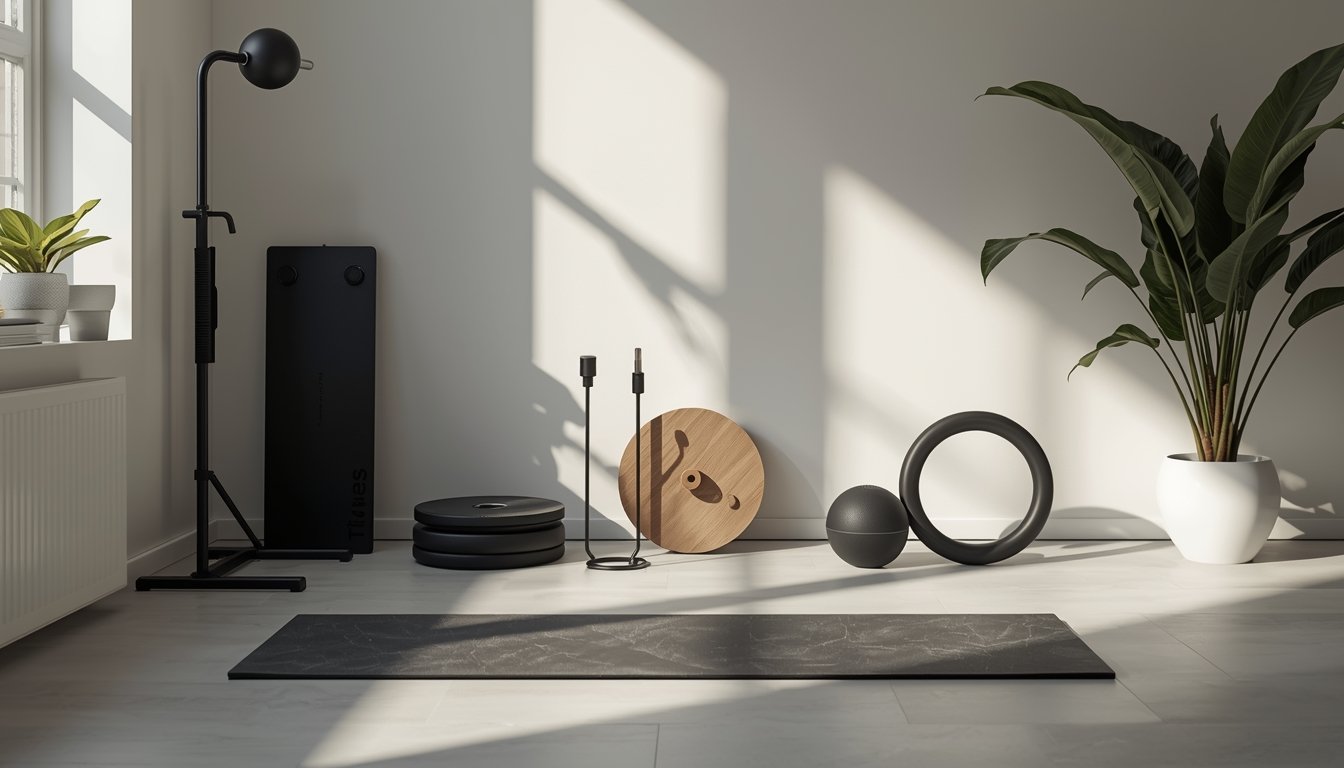
Fitness tools can support training efficiency, recovery, and consistency when they are chosen and used with intention. However, more tools do not always mean better results. The key is understanding which fitness tools add value and how they fit into daily routines.
Instead of collecting equipment, effective fitness tools simplify workouts, support recovery, and reduce friction. This article explains how to use fitness tools strategically without overcomplicating training.
How Fitness Tools Support Training Efficiency 🏋️
Fitness tools support training efficiency by helping people train with better structure and focus. Tools such as resistance bands, timers, and basic weights improve workout organization and progression.
When fitness tools are used consistently, they reduce decision fatigue. As a result, workouts feel more intentional and easier to repeat.
Fitness Tools for Recovery and Mobility 🧘
Recovery-focused fitness tools support muscle relaxation, mobility, and comfort. Items like foam rollers or massage balls help reduce stiffness and support circulation.
However, tools work best when combined with good habits. Recovery routines discussed in Recovery Tips often emphasize consistency over complexity.
Fitness Tools and Nutrition Support 🍽️
Not all fitness tools are physical. Meal prep containers, food scales, and hydration bottles are practical fitness tools that support nutrition habits.
Using these tools helps reinforce routines described in Fitness Nutrition, where structure and balance are more important than precision.
Simple meals such as protein bowls or recovery dishes benefit from preparation tools that reduce daily stress around food choices.
Common Fitness Tool Mistakes ⚠️
Many people believe buying more fitness tools will solve consistency issues. However, unused tools often add clutter rather than value.
- Buying tools without a clear purpose
- Using advanced equipment without mastering basics
- Relying on tools instead of habits
- Switching tools too often without consistency
Fitness tools should support routines, not replace them.
Choosing Fitness Tools That Fit Your Lifestyle 🔍
The best fitness tools fit available space, schedule, and goals. Therefore, simple and versatile tools often provide the greatest long-term value.
Guidance for building practical routines is also discussed in Eating Strategies, where sustainability is prioritized over extremes.
Using Fitness Tools for Long-Term Consistency 🔁
Consistency matters more than innovation. Fitness tools that are easy to use encourage regular activity and reduce barriers.
According to the Harvard T.H. Chan School of Public Health, sustainable health behaviors rely on simple, repeatable habits rather than complex systems.
Overall, fitness tools are most effective when they support efficiency, recovery, and structure. When used intentionally, they enhance training without adding unnecessary complexity.
Leave a Reply