
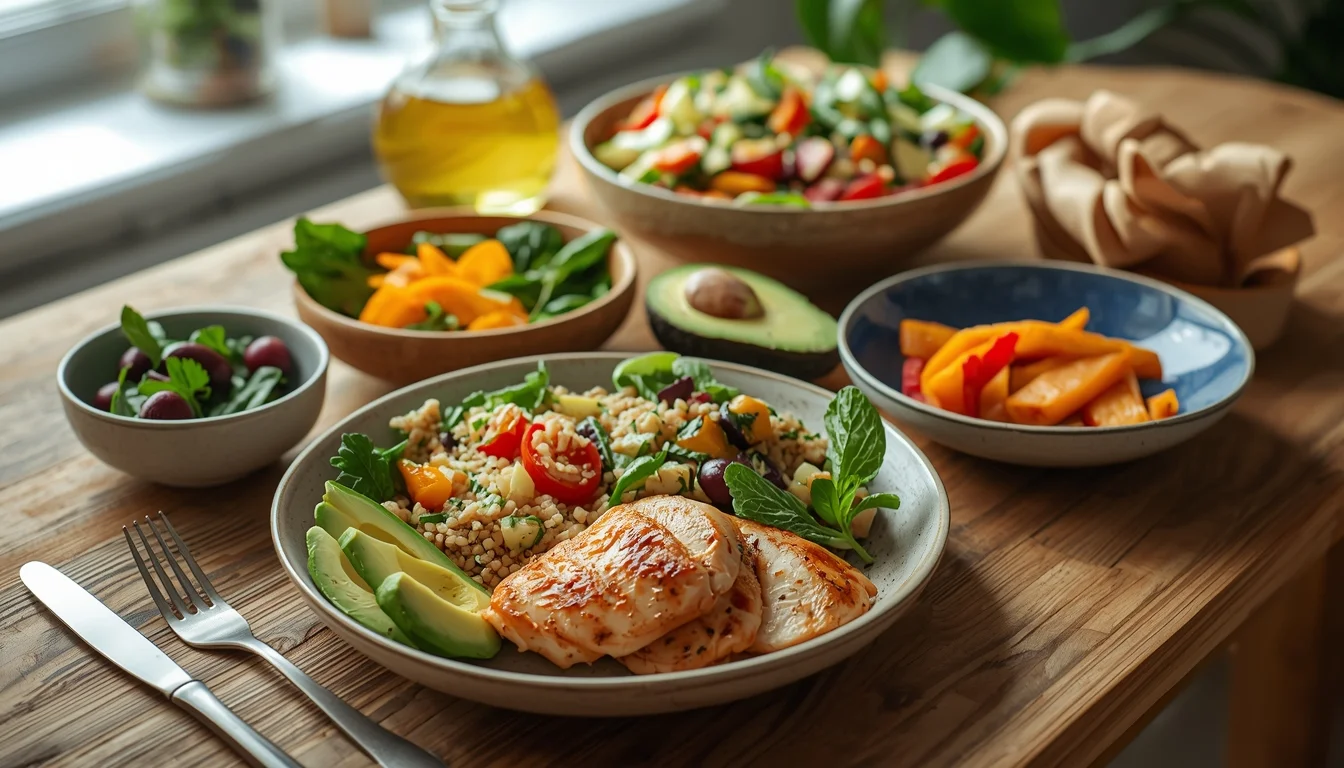
A balanced diet guide can help people build healthier eating habits without following strict or unrealistic food rules. Instead of focusing on short-term dieting, a balanced approach supports steady energy, proper nutrition, and long-term wellness. Many people struggle with complicated diet plans, yet simple and sustainable habits often produce the best results.
A well-designed diet guide focuses on balance rather than restriction. It includes whole foods, sufficient protein, healthy fats, and fiber-rich carbohydrates. When meals contain a good combination of nutrients, the body receives steady energy and important vitamins and minerals.
What a Balanced Diet Guide Really Means
A diet guide should provide clear and practical direction for everyday eating. Rather than eliminating entire food groups, balanced nutrition encourages variety and moderation.
- Whole foods: Fruits, vegetables, whole grains, and legumes provide fiber and micronutrients.
- Lean proteins: Foods like chicken, fish, tofu, and legumes support muscle maintenance.
- Healthy fats: Avocados, olive oil, nuts, and seeds help support overall health.
- Balanced carbohydrates: Whole grains and starchy vegetables provide sustained energy.
Because the body requires a variety of nutrients, balanced eating supports both physical health and daily performance. People who follow a balanced diet often experience improved energy levels and more stable eating habits.
Why Balanced Diets Support Fitness and Energy
Nutrition plays a major role in energy levels, exercise performance, and recovery. When meals contain balanced macronutrients, the body receives the fuel it needs for daily activity.
Protein helps support muscle maintenance and recovery after physical activity. Carbohydrates provide energy for workouts and daily tasks. Meanwhile, healthy fats support hormone function and nutrient absorption.
For additional insights on nutrition and performance, explore our fitness nutrition resources. These guides explain how food choices can support an active lifestyle.
Simple Meal Structure for Balanced Eating
One of the easiest ways to apply a diet guide is by following a simple meal structure. Each meal should contain a combination of protein, fiber-rich carbohydrates, and healthy fats.
- Include a protein source such as eggs, chicken, fish, tofu, or beans.
- Add vegetables or fruits for vitamins and fiber.
- Choose whole grains like brown rice, oats, or quinoa.
- Include healthy fats such as olive oil, nuts, or avocado.
This structure helps maintain steady energy and keeps meals satisfying throughout the day.
Common Diet Mistakes to Avoid
Many people follow restrictive diets that eliminate important nutrients. While these diets may appear effective in the short term, they often lead to unsustainable eating patterns.
- Skipping meals regularly
- Eliminating entire food groups without reason
- Consuming too little protein
- Relying heavily on processed foods
A balanced diet guide encourages flexibility and variety instead of extreme restrictions. Sustainable habits often produce better long-term results.
How to Build Sustainable Healthy Eating Habits
Healthy eating habits develop gradually. Small changes can create meaningful improvements in nutrition over time.
- Prepare meals at home more often.
- Include vegetables in most meals.
- Choose whole foods instead of highly processed products.
- Drink enough water throughout the day.
These habits support consistency and help people maintain balanced eating patterns.
You can also explore more practical strategies inside our eating strategies section. These resources offer helpful ideas for building sustainable daily habits.
The Role of Flexibility in a Healthy Diet
Balanced nutrition does not require perfection. Occasional treats or variations in meals are part of normal eating patterns. When people focus on long-term balance rather than strict rules, healthy eating becomes more realistic and enjoyable.
A practical diet guide supports consistency, balanced nutrition, and sustainable habits. Over time, these habits help support energy, fitness, and overall well-being.
Leave a Reply